Every line item and every parameter, extracted for you
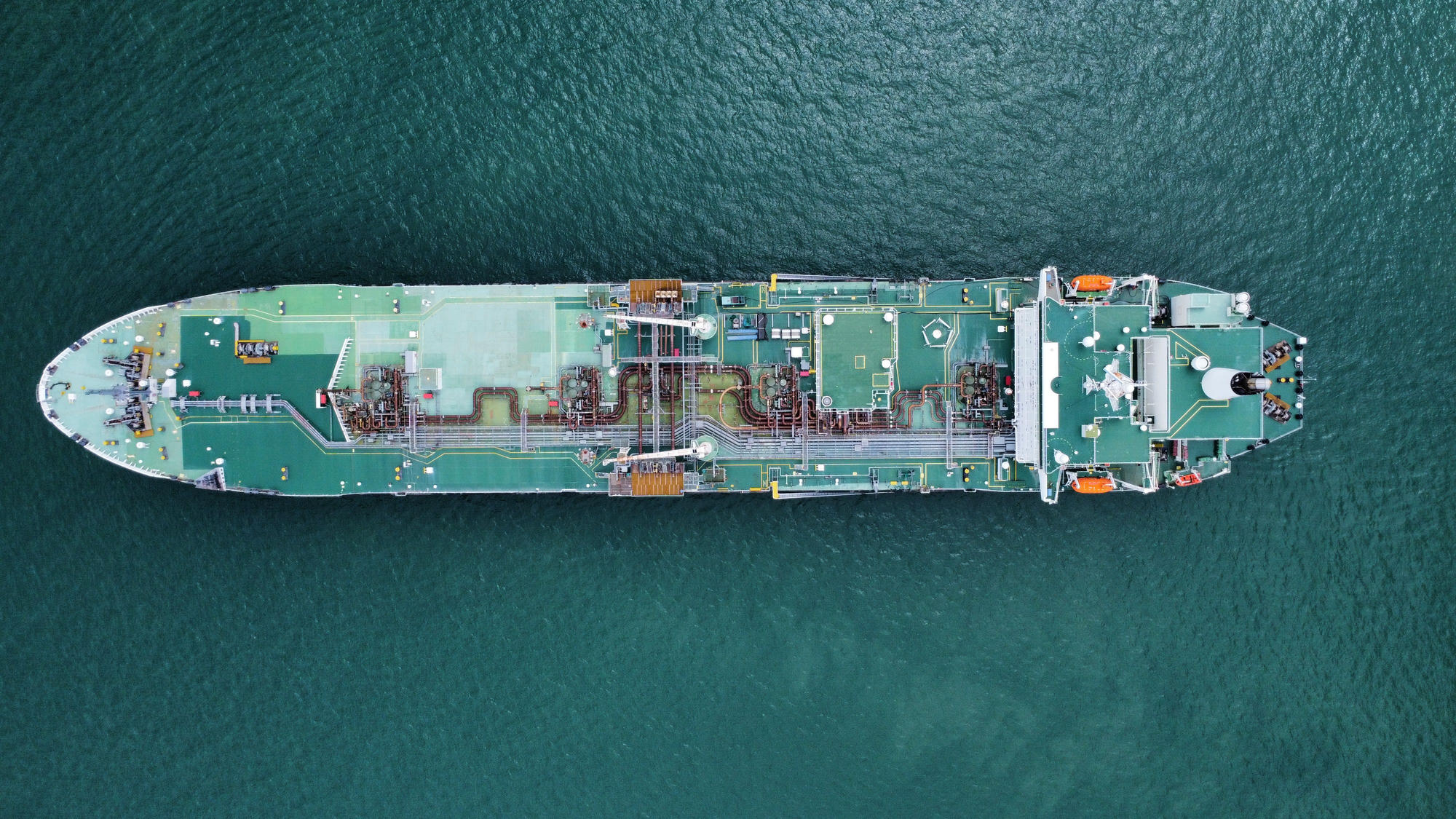
From thousands of pages to structured data
Nothing in a yard package is beyond your engineers. The problem is multiplication: hundreds of items, each answering to spec, class and makers list.

Class and system parameters
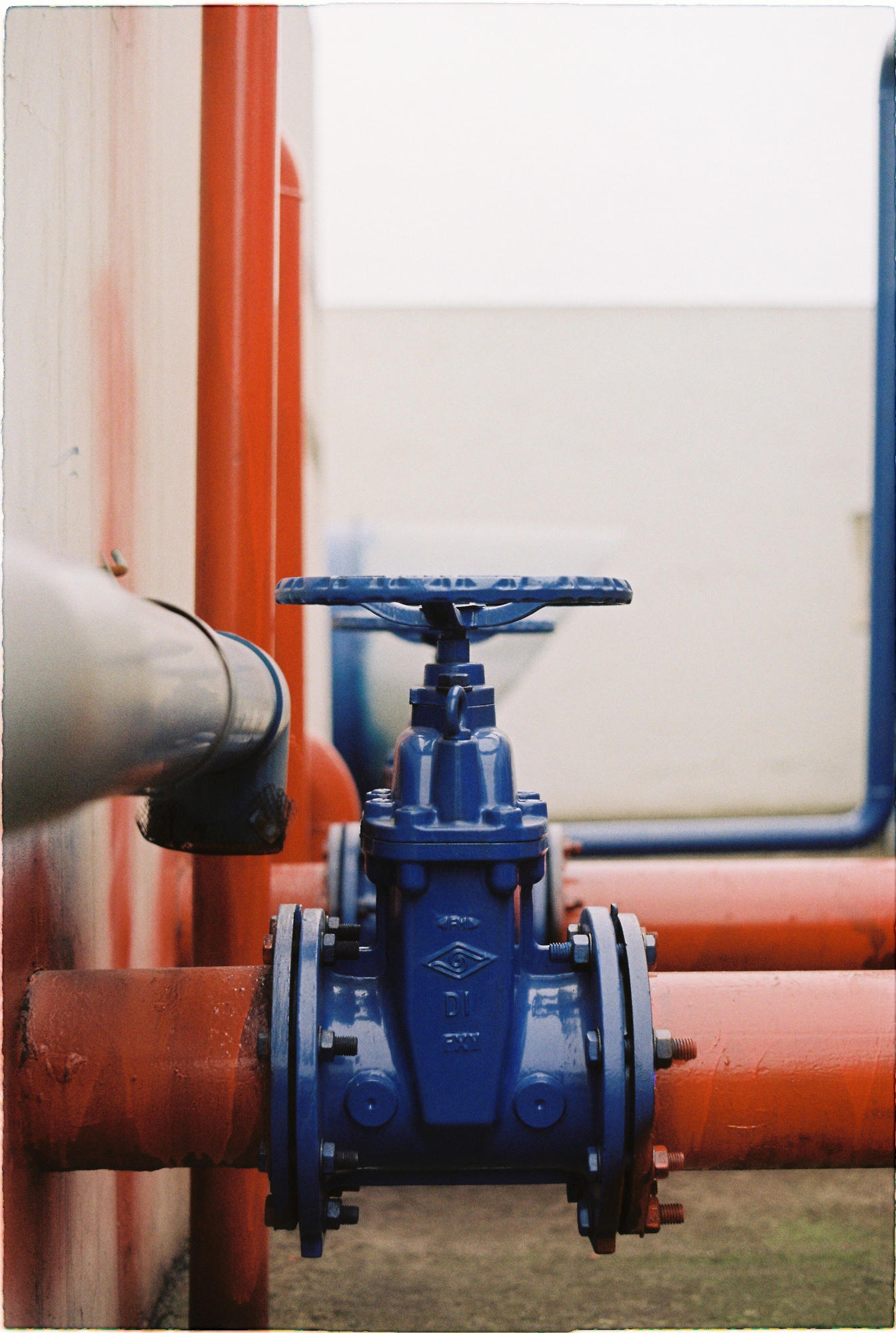
Every valve, read against the class rules and the yard drawings.
Loonar lays out the sea water, ballast, fuel oil and bilge scope tag by tag: bore, PN rating, end connection, body material, disc, seat, actuation and class approval, DNV type approval alongside the IMO ballast water convention and SOLAS fire test, each value tied to its drawing and page.
Technical deviations
Every deviation identified, ready for your decision.
Loonar rolls values against your certificate register: DNV type approval becomes one row for fifty-two items, not fifty-two checks. Bronze approval without super duplex, a missing SOLAS fire test report, sixteen-week super duplex castings: each is a deviation with its items and evidence. An unstated bilge main class scope is flagged before the yard assumes it.
The clause register
The yard's terms, read clause by clause.
Every clause is classified, risk rated and checked against your standard positions. An uncapped dry-dock daily rate, pass-through charter hire liability, retention held twelve months post-delivery: these surface above the twenty-four already aligned.
Explore solutions
The rest of the range.




See what Loonar reads in your package.
Book 30 minutes and bring a real yard inquiry. We run your own package through Loonar and show you the requirement list it builds, every value carrying its page and the rule behind it.